California has begun experiencing the effects of El Niño, a naturally occurring climate pattern in which massive storm clouds cause heavy rain and severe storms. El Niño cycles occur every two to seven years and last between nine and 12 months. This cycle is expected to continue strengthening from now until early 2027. Climate scientists are concerned that this year’s El Niño will be the worst in recorded history. Occidental is preparing for the impacts, which may include floods and power outages on campus.
According to Assistant Vice President of Facilities Management David Caldwell, rising global temperatures will likely lead to a more intense version of El Niño over the next few months.
“El Niño is driven primarily by warm Pacific waters and climate change, and rising temperatures in general are exacerbating El Niño,” Caldwell said. “[It] is expected to be more dramatic this year because of those warm Pacific waters.”
Caldwell said these severe El Niño conditions may lead to a higher likelihood of intense flooding and more frequent power outages across Southern California.
“Based on current projections from the National Weather Service and LA County, we expect [more] heavy and sustained rains than normal,” Caldwell said. “Along with that comes things like preparing for power outages, because when LA gets a lot of rain, power outages are common across the city. We may get sustained increased winds, and that also comes with a side effect of power outages.”
Caldwell said the Occidental Emergency Response Team (ERT) has created a website with information on El Niño and helpful resources. Caldwell said that in addition to checking the ERT website, Occidental community members should stay aware of any texts, emails or phone calls from Occidental regarding class cancellations or any other campus disruptions because of El Niño.
“When the city, the county or the weather service alerts us to impending flooding or severe storm conditions, we will push out [notifications] on the emergency alert system, directions on how to keep safe,” Caldwell said. “The most important thing is to be mindful of [weather alerts] and pay attention to them when and if they come out. The college will make determinations with the emergency response team as to whether we need to shut down or go to remote learning if rains are bad enough that it becomes unsafe to travel.”
Caldwell said drain blockage, one of the most frequent weather-related issues the campus faces, is often caused by cascades of quickly moving water because of the campus’s hillside location.
“Those waters will take debris and push them into drains and cover the drains up,” Caldwell said. “When we get heavy storms, we have staff on hand that patrol the campus looking for backed-up water. We ask anybody on campus to report places where water is pooling, because that’s an indication that something’s backed up somewhere.”
Occidental Bookstore manager Donna Huebner said Facilities Management’s efforts have prevented all flooding in the bookstore since two major floods in 2005.
“Facilities installed a new drain at the top of the steps and sandbagged the steps whenever rain was expected to help guide the water away from the patio,” Huebner said. “We have had heavy rains since then, but have not had any issues of being flooded through the doors.”
According to Caldwell, Facilities staff are currently surveying Occidental and doing repairs on necessary areas to avoid flooding, building damage and other issues.
“The campus has been engineered over time to channel water away from it, provided that all the drains work correctly, but mud, debris and other things get in there, and we get collapsed drain pipes,” Caldwell said.
Caldwell said the college has inspected all of their ground drains, roof drains and gutters around campus to ensure everything is working as intended.
“We are not always aware that those systems are not working correctly until they back up,” Caldwell said. “[We are] going through all of those things to make sure that they are all functioning correctly, and then when we start getting rain, the water will be pushed away from campus.”
Sebastian Gardea (senior), co-director of Food, Energy and Sustainability Team (FEAST), Occidental’s student-run organic garden, said FEAST has already experienced more flooding than usual because of El Niño.
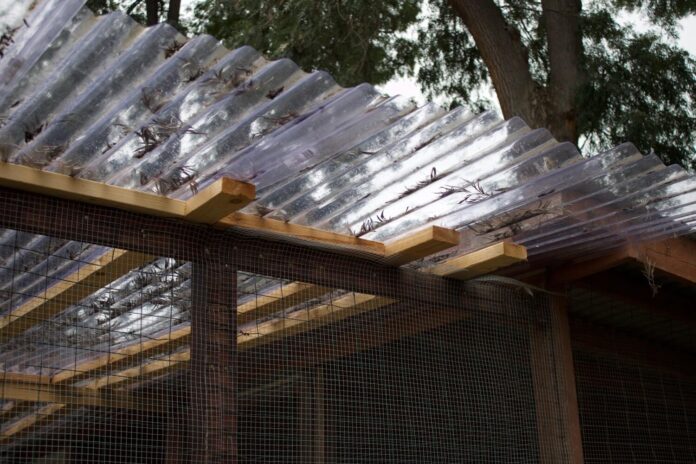
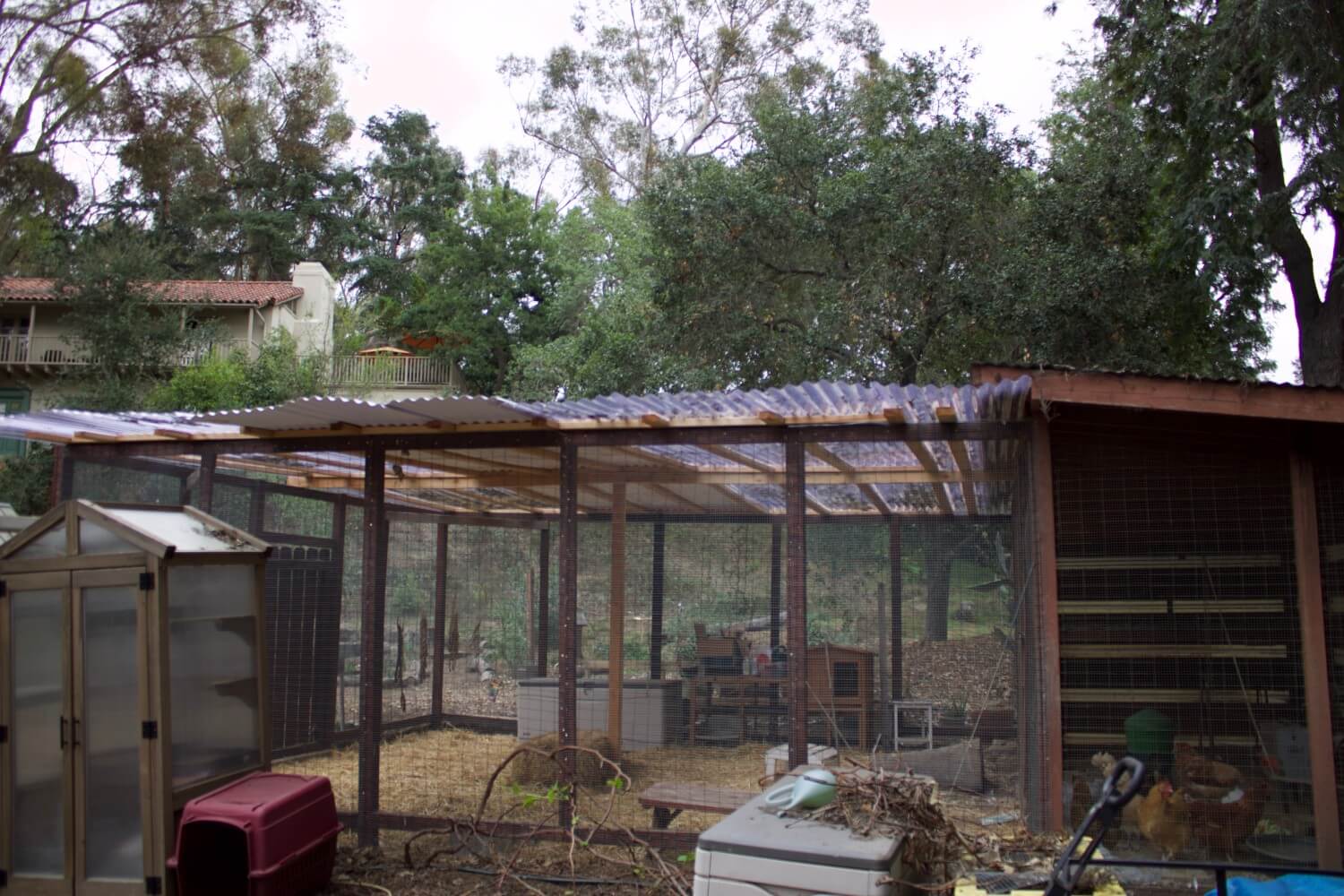
“We’ve been [noticing] extra flooding, especially due to how the [chicken] coop works, so recently we installed a roof on the outer coop,” Gardea said. “Before, it was open air with a tarp over it, but that tarp would still allow water to seep through, so after a fairly long rain session, there would be a large puddle in the center of their coop. By having this roof now, all the water will be diverted to the surrounding parts of the garden.”
Gardea said in addition to the chicken coop renovations, FEAST has also begun preparing for El Niño conditions in a number of other ways to reduce the impact of future floods.
“We also want to add a berm to the side of the coop,” Gardea said. “We have had flooding problems in the past […] where we had to make our own makeshift berm to siphon off the water. We foresee that if anything like that happens in the future, a lot of water will be running down that hill, so building a berm to divert water […] is probably our best bet to stop any potential harm to the structure.”
According to Caldwell, in addition to repairs, Occidental is also gathering supplies to prepare the campus in case of emergency.
“We’re stockpiling things like water pumps and cleanup equipment,” Caldwell said. “We can do all the preparation we want to do, but the rain may be so bad that we get some water inside a building, so if we can’t stop it, then the next best thing is to be able to respond to it, clean it up and make sure that classes are impacted very little by it.”
Contact Sadie Maguire at smaguire@oxy.edu