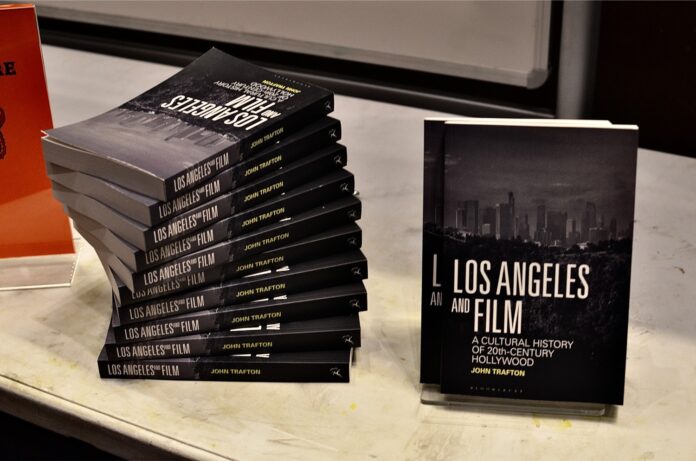
Media, Arts & Culture (MAC) visiting professor John Trafton discussed the release of his third book, “Los Angeles and Film: A Cultural History of 20th-Century Hollywood,” Nov. 4 at an event hosted by the MAC department in Choi Auditorium.
Trafton said, the event, “Los Angeles Destroys Itself” references “Los Angeles Plays Itself,” a video essay by Thom Anderson that discusses how films have misrepresented LA and marginalized most of the population.
According to Trafton, his book examines the concept of the frequent destruction of LA onscreen.
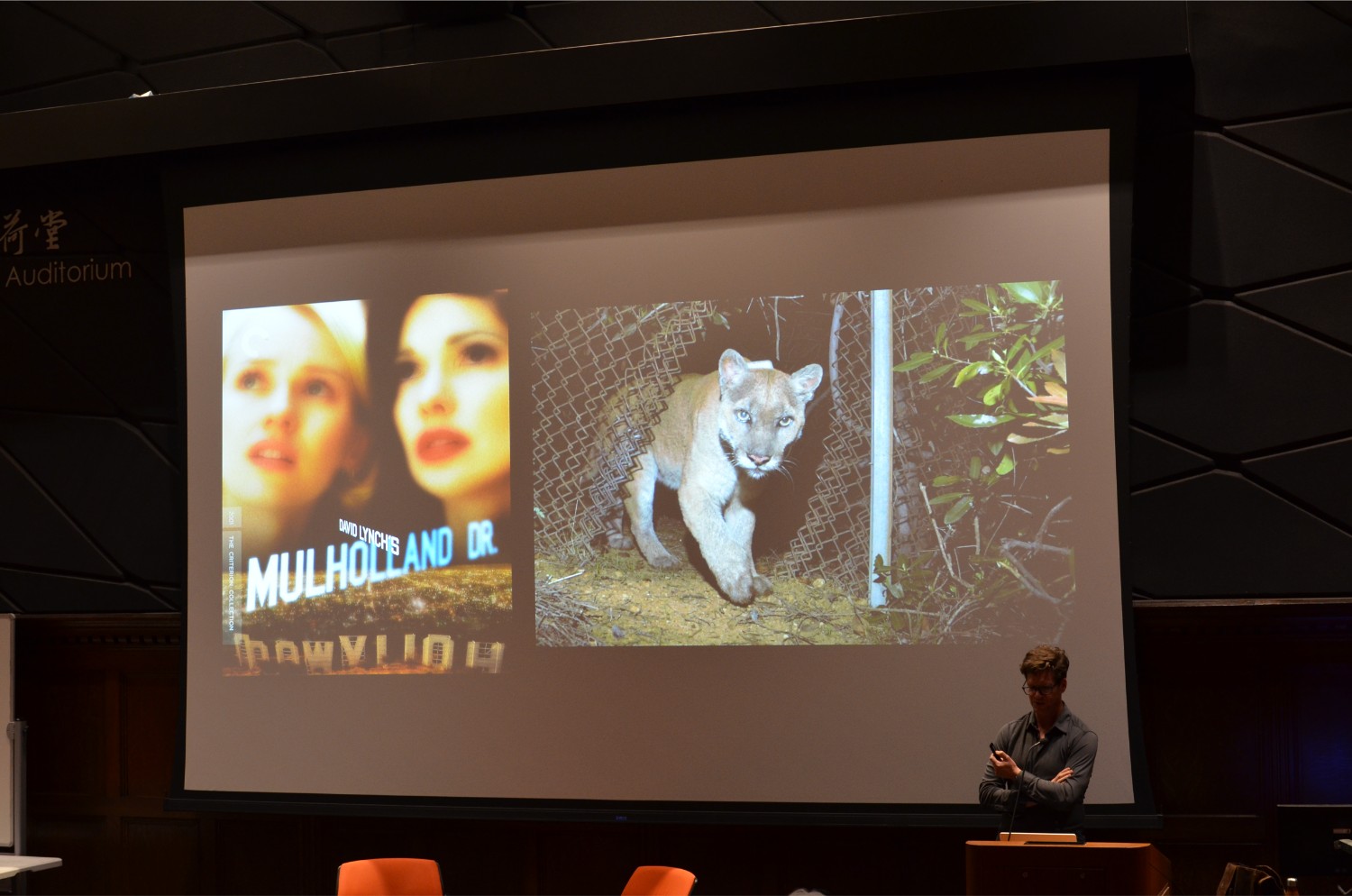
“My argument is that these cinematic apocalypses reflect a deeper historical anxiety about Los Angeles itself,” Trafton said via email. “The city has long been associated with reinvention, impermanence, speculative development, and the erasure of its own past. In this sense, Los Angeles has been continually destroying and reconstructing itself, long before filmmakers began staging its destruction.”
According to Trafton, after publishing his second book “Movie-Made Los Angeles” in 2023, he felt he had a lot of material left to cover. According to Trafton, his third book was his longest and most difficult project. Trafton said he wanted to expand a course he is teaching at Occidental, “Los Angeles and Film,” into a book that was more than a survey of all the movies represented in LA or filming locations in the city.
“I wanted to [write] a book that covered the way LA has been represented in film, but treating each film era as this historical document, revealing something about the era and the place that these films were made, in ways that traditional history books can’t or sometimes overlook,” Trafton said.
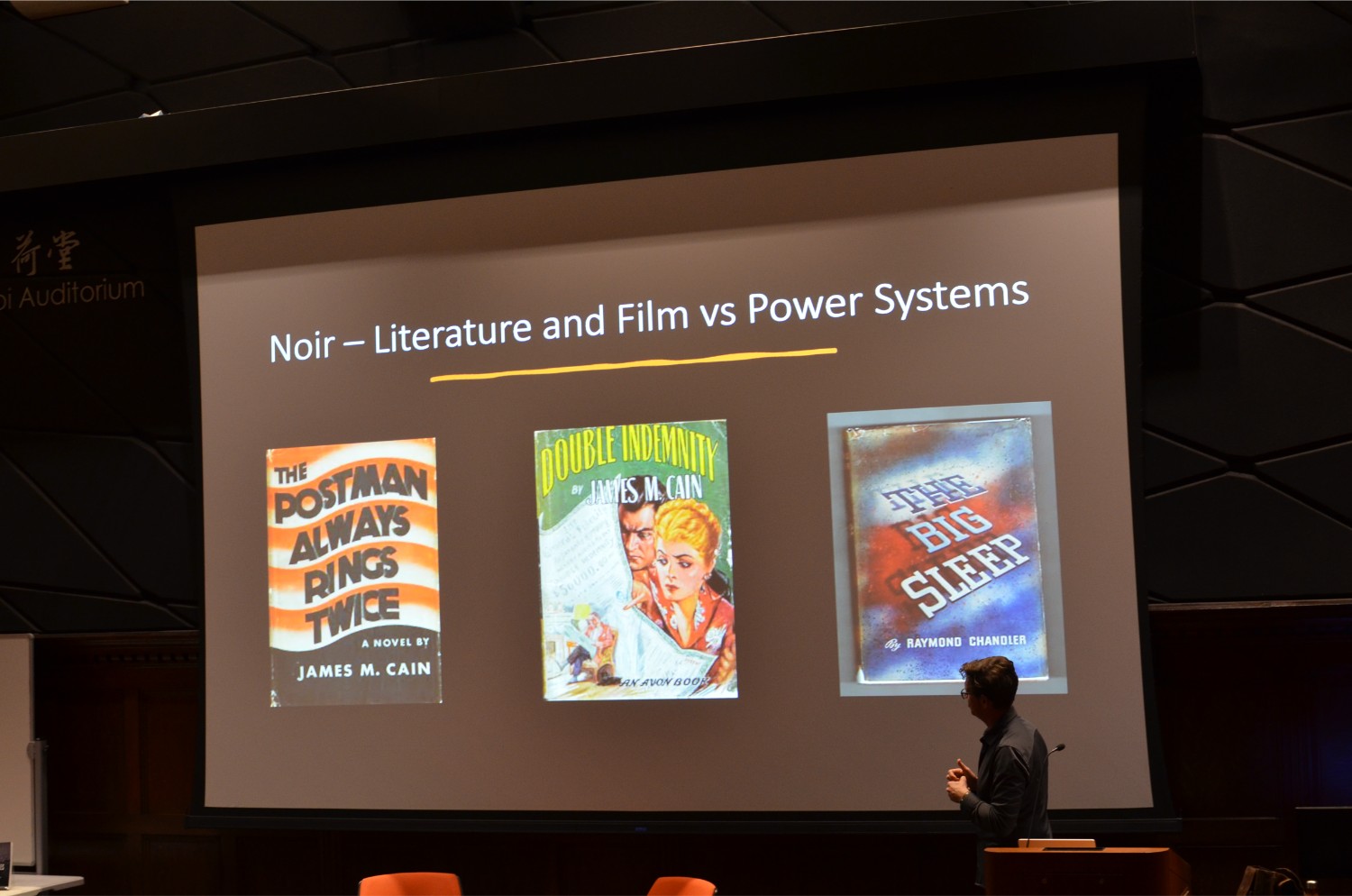
Trafton said his book is about the symbiotic relationship between LA and its movie industries in the 20th century, focusing on how they have contributed to the rise of one another. Trafton said he wanted to show that Hollywood is not synonymous with American film, and there are many differing views of LA.
“You have all these competing representations of Los Angeles, so it’s how the city has been intertwined with its varying film industries and how this partnership has shaped not only the identity of the city but the city’s residents themselves,” Trafton said. “I show how Los Angeles is more than just a city, it’s really American cinema’s greatest and long-standing creative partner.”
Trafton earned his bachelor’s degree in film production. During his undergraduate years and a year post-grad, Trafton worked at film foundations in LA and in San Francisco, independent studios and NBC Universal. Trafton said he was involved in the production of Arrested Development, LAX, Red Dragon and Rush Hour 3.
Trafton said his old work did not allow him to do what he loved, and he did not see it as his life’s calling.
“I found it a little bit soul-crushing,” Trafton said. “I was in a position where I was young enough to move to something else, or at least shift or pivot over into a slightly different field while still retaining my love of cinema and media.”
Trafton said along with his interest in film, he became interested in education when he was 10 years old.
“I came down with a really bad flu when I was a kid and curled up on the couch with a blanket around me for about a week. I had PBS and ended up watching Ken Burns’ documentaries on the Civil War, baseball and jazz,” Trafton said. “There was already a preexisting love of film, but that was when it collided with education and looking at the potentials for film and education”
Albert Taylor (first year), who is currently in Trafton’s “Los Angeles and Film” class, said Trafton is very good at connecting with the students in his class.
“Everybody in that class will come up to him after class and talk about either movies that they’ve watched or [ask] him his opinion on a certain movie,” Taylor said. “I don’t think anybody in that class […] doesn’t enjoy being there.”
Taylor said he finds Trafton’s class interesting because the class discusses movies he grew up watching which were made in LA.
“A lot of the media that we’ve grown up on comes from Los Angeles,” Taylor said. “Learning more about the impact or why it’s created is really interesting and really important, in my opinion.”
Professor of MAC Allison de Fren, who helped lead the book talk, said she was the chair of the MAC department when Trafton was hired. According to de Fren, Trafon reached out to her with examples of classes on LA and film he had been teaching at Seattle University, and she was very excited about those courses.
“My feeling is that Occidental students sometimes spend their four years in Los Angeles without really ever getting to know it,” de Fren said. “I thought his course would be a great way for them to learn about the city through its cinematic history.”
According to de Fren, Trafton is knowledgeable about LA film history because of his Southern California origins.
“I think Prof. Trafton brings a wonderful combination of film scholarship, cultural history, urban geography and this deep knowledge of Los Angeles because he’s a native Southern Californian,” de Fren said. “He does have a very personal connection to the city and to its deep history.”
Trafton started and ended his book talk by asking the audience to think of their LA experiences in comparison to a theme park.
“The theme park becomes a useful metaphor because it raises a question: what happens when a city begins to organize its identity around representations of itself?” Trafton said. “This connects to my larger argument that Hollywood has not simply reflected Los Angeles. It has actively participated in shaping how the city is imagined, experienced, marketed, and even physically transformed.”
Contact Francine Ghazarian at ghazarian@oxy.edu