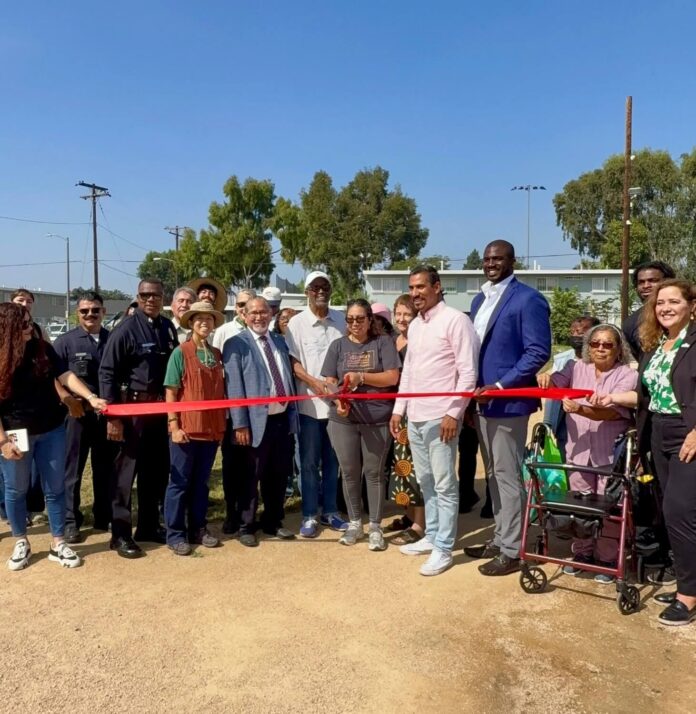
In 1989, retired high school teacher and Northeast LA (NELA) resident Scott Wilson, alongside a small group of volunteers, planted oak trees on Fiji Hill in Eagle Rock, establishing the community-based nonprofit organization North East Trees.
North East Trees’ work now extends well beyond planting oaks, according to Roxy Rivas, the organization’s director of strategic development. According to Rivas, the organization celebrated its 35th anniversary Oct. 1.
“[North East Trees] helps heal environmental stressors through urban forestry, nature-based training infrastructure, habitat restoration, wildfire resilience projects, land conservation and workforce development with young people,” Rivas said.
Assembly member Jessica Caloza, who represents California’s 52nd District —including East LA, NELA, and South Glendale — said she awarded North East Trees nonprofit of the year for her district in 2025.
“I love North East Trees. They are such a wonderful organization. They have been championing environmental justice and urban greening in LA for decades,” Caloza said.
Caloza said besides planting trees for the community, North East Trees also invests in making LA, a city with more freeways than plants, more vibrantly green.
“It’s incredible the work that they’re able to do to transform a lot of neglected spaces and a lot of underserved communities,” Caloza said.
Caloza said North East Trees encourages everyday people to roll up their sleeves and recognize that protecting the environment starts in their own neighborhoods.
According to Rivas, founder Scott Wilson worked at Eagle Rock Junior/Senior High School, North Hollywood High School and a high school in South LA. During his career, Wilson’s main focus was teaching horticulture and gardening to high school students, Rivas said.
“He was really passionate about bio swells, native plants and restoration work through an educational lens,” Rivas said.
Rivas said after Wilson retired as a teacher, he went back to California Polytechnic State University in San Luis Obispo to get his landscape architecture degree, before starting North East Trees.
“[North East Trees had] a very simple mission at the time, planting five trees a day, and doing it in a very guerrilla style, meaning that there were no permits,” Rivas said. “It was just volunteers willing and down to [work] late nights, planting trees wherever they saw fit.”
After a while, the organization became more established and became an official 501(c)(3), according to Rivas.
“We really started enacting and enforcing the process of working with the city and government to really bring these projects to life with community, volunteer opportunities and workforce development,” Rivas said.
According to Rivas, LA County has low tree canopy coverage — the share of land shaded by the leaves and branches of trees when viewed from above. That shortage raises serious public health concerns, Rivas said.
“Our elderly people can’t walk down the street without having heat exposure on really hot days in the summer.” Rivas said. “You have the urban heat eye effect, meaning that we have an over-concretized city with streets and paved sidewalks, [and] not enough tree canopy to be able to provide that cover.”
According to Urban Forest Project Manager Cristina Basurto, North East Trees frequently hosts events at the Ascot Hills Park Nursery.
“At the nursery at Ascot Hills, they collect local seeds from the area, and they use those same seeds to propagate and then bring them back into those communities.” Basurto said. “So it’s a way of building resilience in nature.”
Basurto said North East Trees also does tabling events and workshops so that the community can share knowledge on how people can take an active role in how to care for their trees once they’re in the ground.
“Most people get excited about putting a tree in the ground, and they think that that is the hard part,” Basurto said. “The hard part is caring [for] that tree so that it actually gets to grow and provide benefits to the community.”
According to Urban Forestry Community Engagement Coordinator Kyla Lesli, the care of trees, both new and existing, is vital to the livelihood of future generations.
“Trees are not only helping us as humans, but they’re helping the animals around the world and the natural habitats that’ve been here before us,” Lesli said.
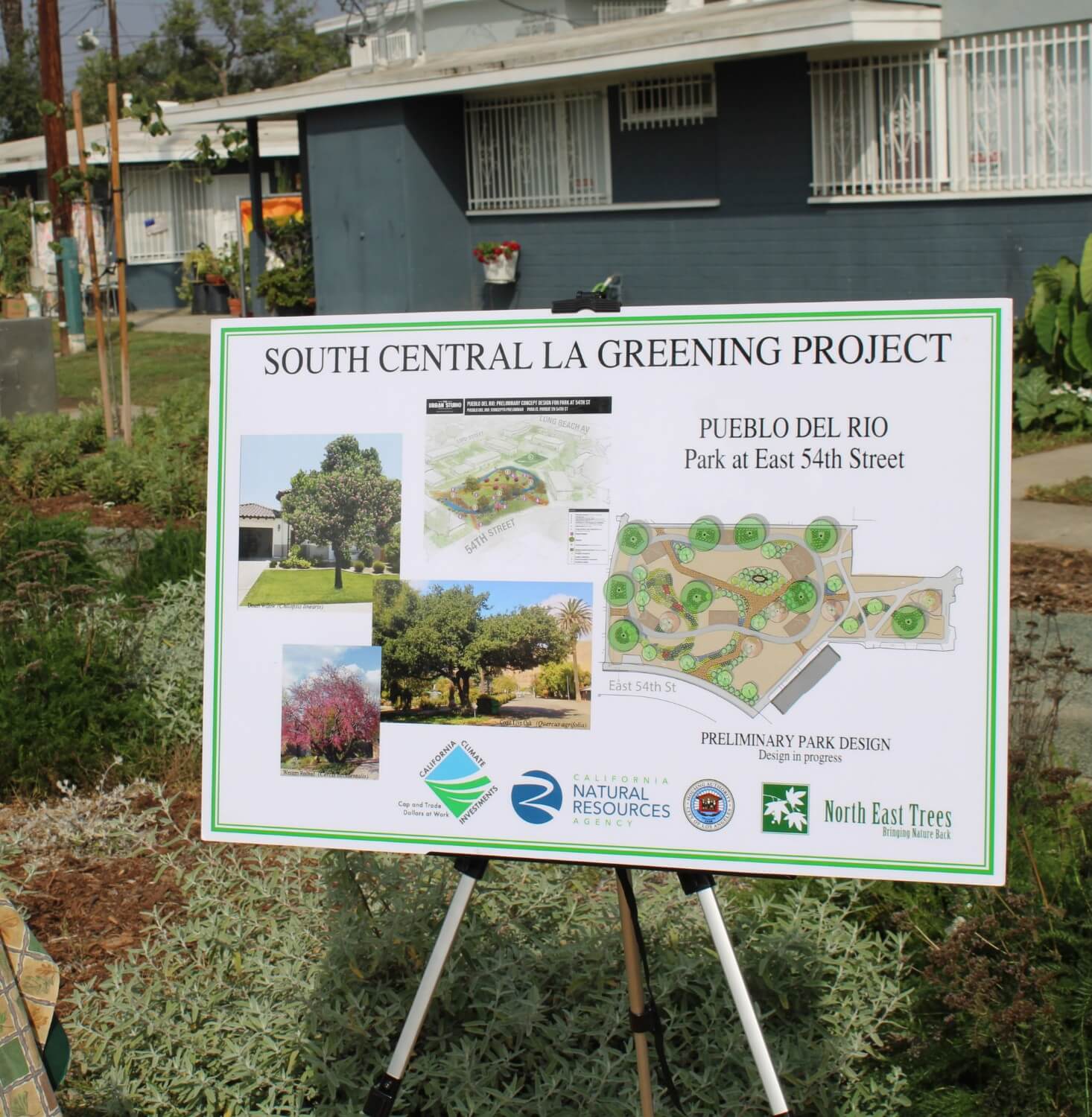
Lesli said it is important to have trees that share ecological history with the area they occupy.
“We focus more on native plants and climate appropriate plants […] they will survive longer, but they also thrive and help everyone around them,” Lesli said.
Lesli said North East Trees introduces careers such as urban forestry to young people.
“North East Trees is always looking towards the future. We are still trying to teach and use workforce development programs to introduce these careers to the newer generations that are coming fresh out of high school, sometimes college,” Lesli said. “Urban forestry can be foreign to a lot of people and introducing that new world is what pushes us to have that environmental drive.”
Rivas said North East Trees is currently adjusting to new leadership.
“We have a new executive director that’s been with us for two years now, and so we’re really building a team around what that vision looks like,” Rivas said.
According to Communications and Marketing Specialist Alexia Olguin, it is rewarding to see the trees as a visual manifestation of the work that has been done by the nonprofit over time.
“My favorite part about working in North East Trees is the fact that our work is physically manifested and able to be in front of us,” Olguin said. “We go to our past projects and see the trees, that were once babies, fully grown.”
Contact Marco Zapien at mzapien@oxy.edu