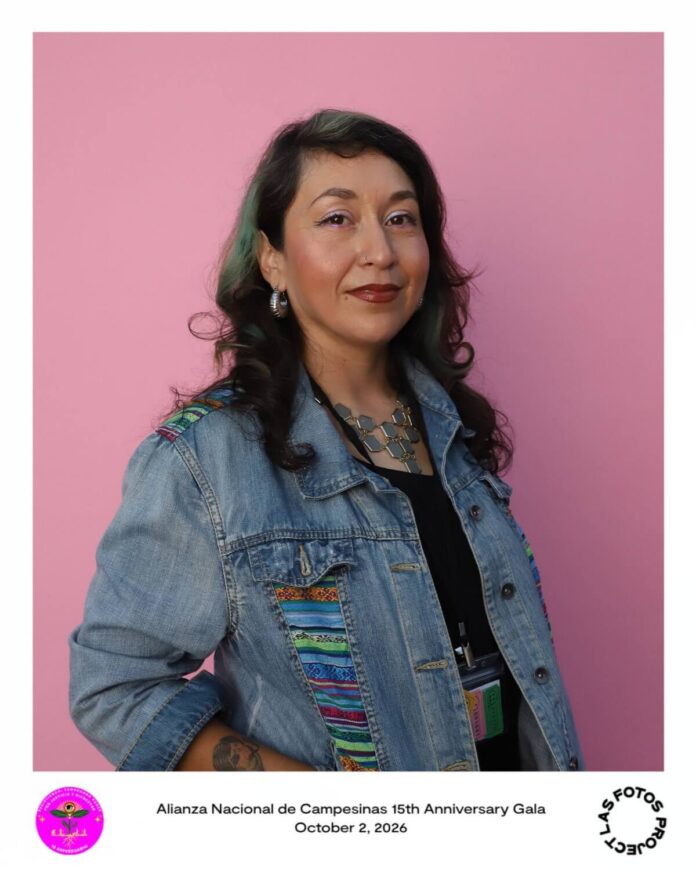
The Latina/o & Latin American Studies (LLAS) Department and the Mary Norton Clapp Library are collaborating on a mural project led by LA-based mixed-media artist Marlené Nancy Lopez, with painting expected to begin during the Spring 2027 semester.
The mural will be outside of the library’s Imágenes Latinas Reading Room. According to Lopez, the room was established through student advocacy in the 1970s as a place for Latinx students to organize and connect with one another.
“Chicano activists fought for a physical space where they felt safe enough to meet, talk and be themselves,” Lopez said. “One of the goals of this project is to reactivate that space [for students].”
According to Angel Cervantes ‘94, the effort to revitalize the Imágenes Latinas Reading Room is a continuation of activism he participated in as a student.
“In the process of trying to save the room, I began to research the history of it [through Occidental’s] archives,” Cervantes said. “My research in those archives inspired me and guided my path both from being the first Latinx ASOC president to post-graduation.”
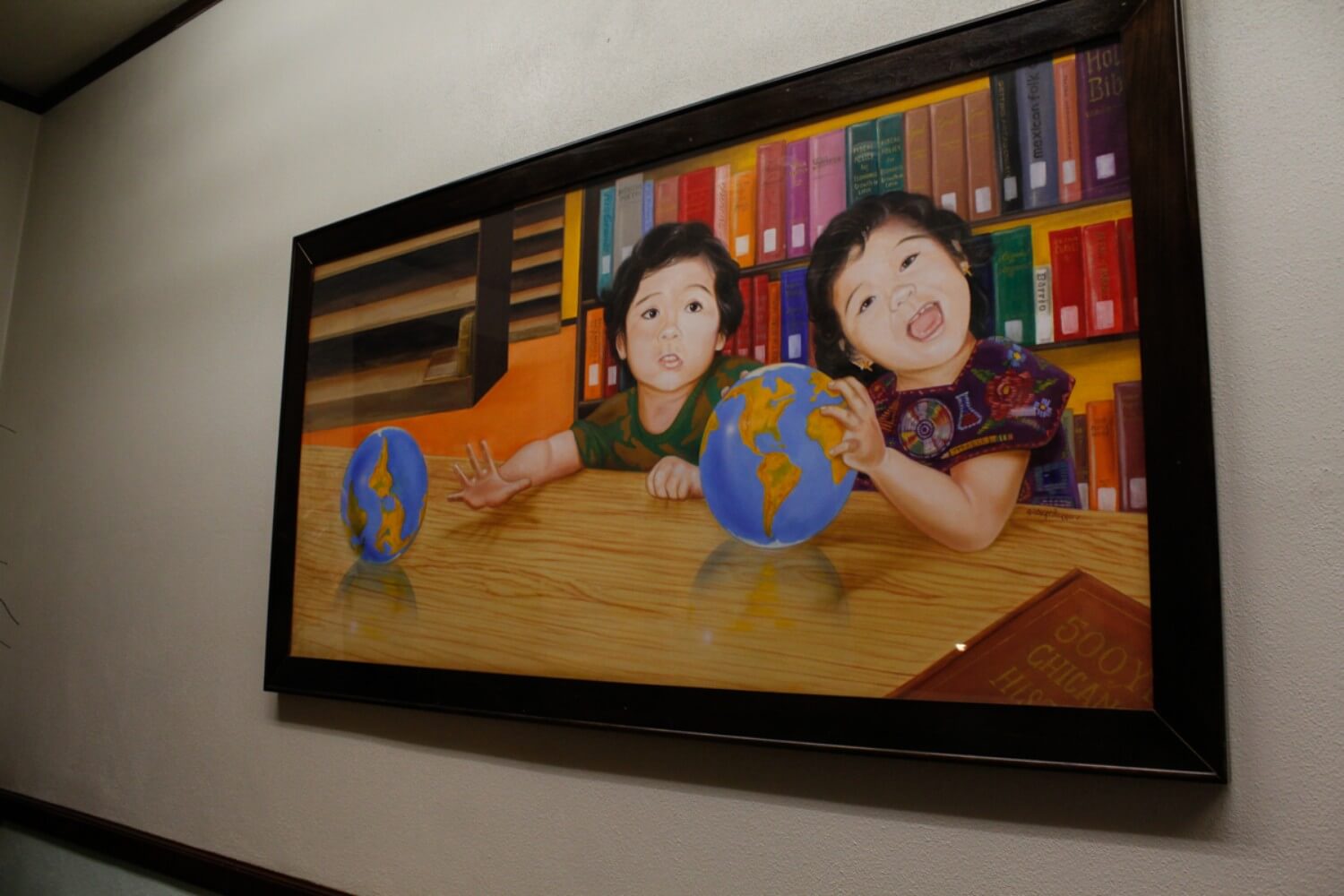
Cervantes said learning about Latinx students’ activism in the 1960s and 1970s inspired his own involvement in activist movements, including demonstrations against Proposition 187 and anti-immigration policies in the 1990s.
“I began negotiations with the library to update the room — to revamp and reimagine it for current students,” Cervantes said. “As part of the discussion to reengage current students with the room, the idea of a mural project developed.”
According to Lopez, the mural will be cultivated through her community-based artistic practice, “Culturama,” which uses collaborative story circles to bring people together and to identify central themes for the final artwork.
“What’s wonderful about murals is that you can incorporate many different stories,” Lopez said. “Artists know how to create order out of chaos.”
LLAS professor, Cristina Awadalla said she and Lopez hosted a story circle with Awadalla’s first year seminar, “Latinidad and Pop Culture: Media, Power, and Representation,” allowing students to share ideas to inspire themes for the mural.
“I’m a big believer in storytelling and the power of stories when it comes to building movements and finding inspiration during bleak times,” Awadalla said.
Awadalla said conducting story circles with her class connected the course curriculum with Occidental’s historical archives related to Latinx student activism.
“The students were asked to find an artifact [in Special Collections] that resonated with them and to make a claim about how it relates to belonging, community and representation,” Awadalla said.
Cervantes said he was included in a gathering of Occidental alumni and current students organized by Lopez, where participants shared their experiences.
“One of the sad things that I took from [the story circle] is the fact that many current students’ struggles are still the same as ours,” Cervantes said. “There seems to be a commonality across generations — their sorrows, concerns and challenges sound familiar to 1990s, 1980s, 1970s and 1960s alums.”
Cervantes said he hopes the mural will help future students recognize their place within Occidental’s history of Latinx activism, rather than feeling that they are the first to confront these challenges.
“[I was] on campus during a very historic moment,” Cervantes said. “Occidental was beginning to reckon with itself, investing more in faculty and students and in creating spaces for us to even begin to have these discussions.”
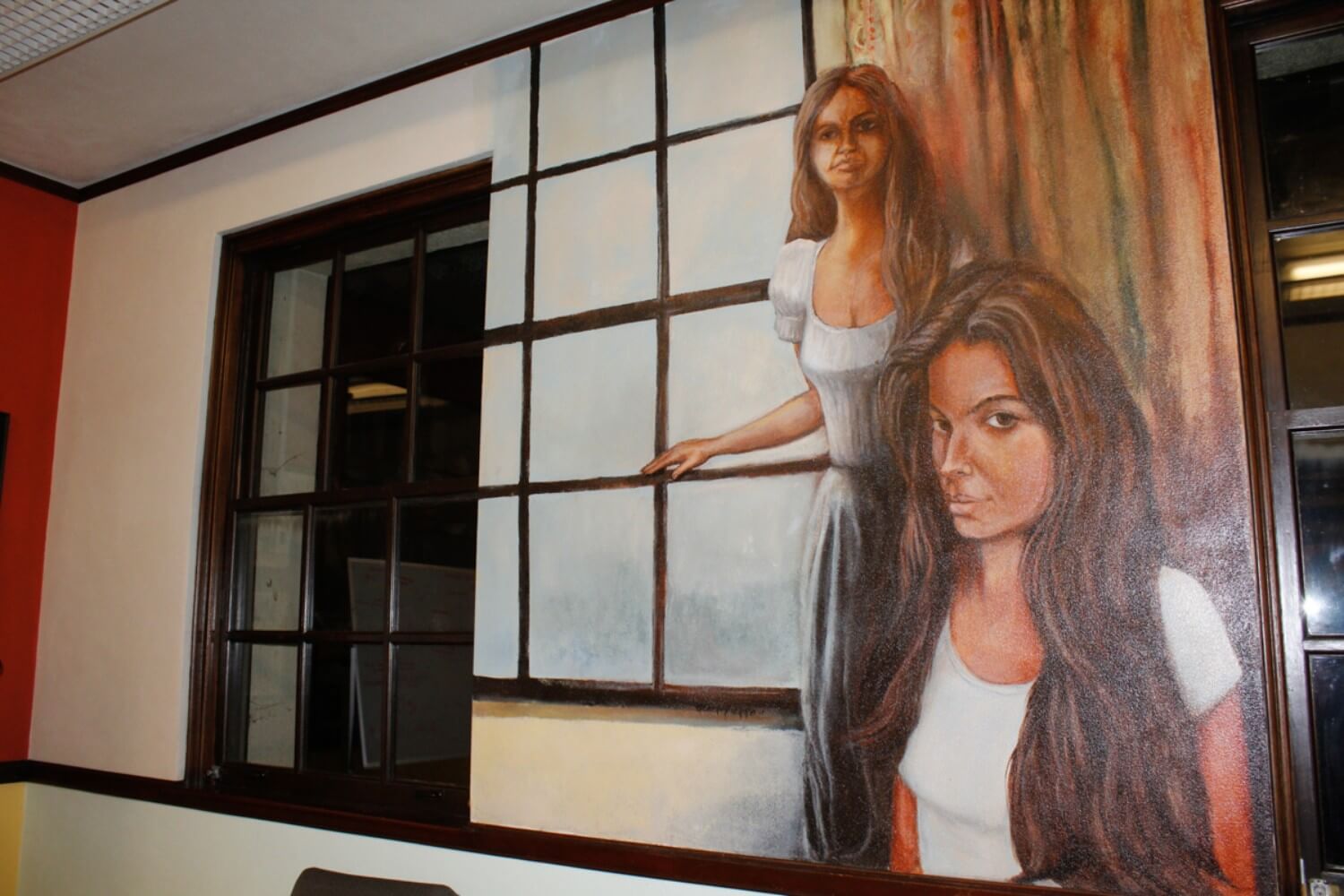
Lopez said the conversations between alumni and current students demonstrate the importance of preserving this history for future generations.
“I hope that they learn that Latinx people have always been here, and I want for Latinx students to know that they’re not alone,” Awadalla said. “It’s a beautiful way to learn about the community and to learn about student life in a particular historical moment.”
Lopez said the mural’s initial painting stage will be open to community members of all artistic skill levels.
“Anyone who’s down to stand in front of this wall and paint with us will be able to do that,” Lopez said. “Afterwards, I’ll select people who want to move into the harder technical painting.”
Awadalla said she hopes the mural will help students from all backgrounds better understand the significance of Latinx presence and activism in Occidental’s history and the broader history of LA.
“This space is here, it’s yours, and you’re not alone,” Lopez said. “There are generations of students and people that are that we’re all standing with.”
Contact Amelia Gehlhaus at gehlhaus@oxy.edu