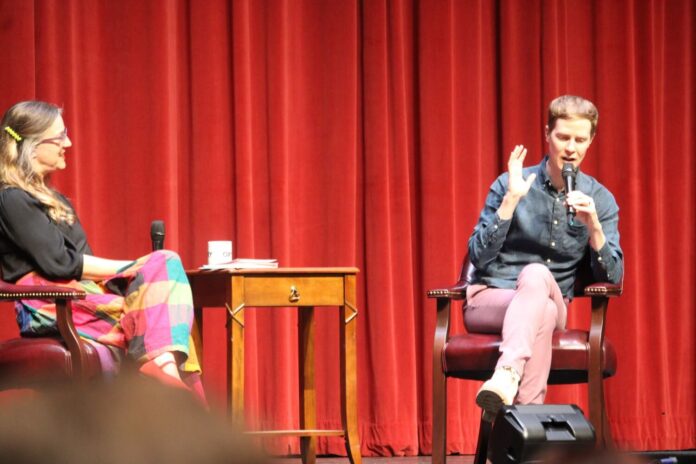
Henry Hoke, author of Occidental’s 2026 Community Book “Open Throat,” spoke in Thorne Hall Oct. 21. During the event, Hoke discussed the thought process behind the book and answered questions from the community about major plot points and deeper meanings.
“Open Throat” is a fiction novel that confronts environmental degradation and wealth inequality through the narration of a queer mountain lion living in the drought-stricken hills of Los Angeles.
Hoke said he has enjoyed community outreach events as “Open Throat” has gained literary traction.
“I love to tour [and] connect with readers,” Hoke said. “My books are an expression of a part of myself, so finding other people who see themselves in [my books] is the greatest thing in the world.”
Hoke said he was originally inspired to write “Open Throat” after hearing Nick Cave’s song “Hollywood,” which references a cougar in the Hollywood Hills. Hoke said the song reminded him of P-22, the tag name of a mountain lion who resided in Griffith Park after famously crossing two major LA freeways.
“[I had] been thinking about this mountain lion so much,” Hoke said. “I [wondered] what it would be like if I abandoned the short story collection I was assembling and wrote a really tight, direct monologue novel from the perspective of that cat during its time in Los Angeles.”
According to Hoke, “Open Throat” allowed him to explore his relationship with Los Angeles and his feelings about contemporary society through the perspective of the mountain lion.
“I was always checking up on the cat and was interested in how LA made P-22 into a celebrity,” Hoke said. “I knew this [was] how [I was] going to channel all these feelings I had about the city and my own confusion with the modern moment.”
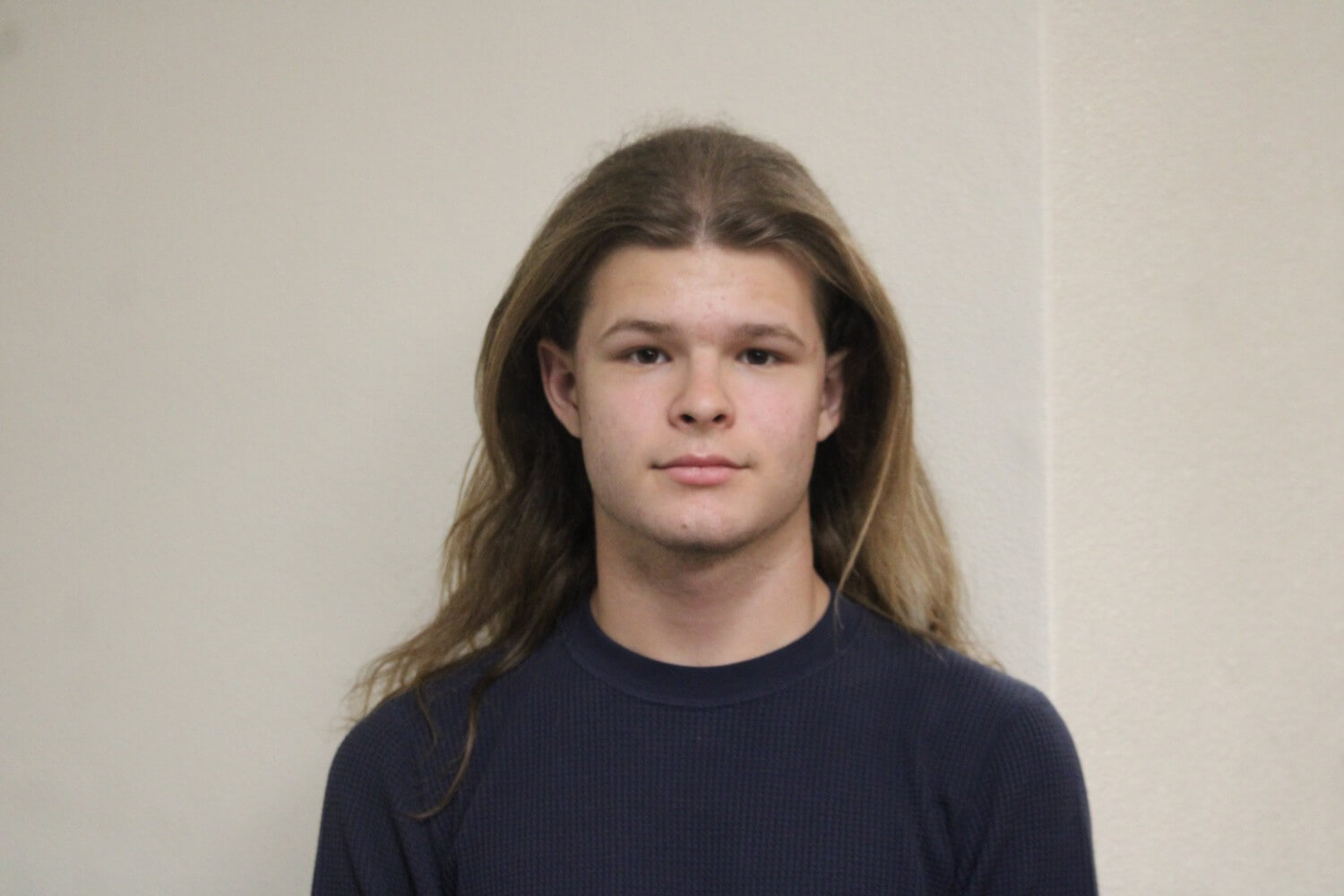
Raphael Waggoner (first year), said Hoke’s ideas about the city resonated with him as a someone who was raised in Los Angeles.
“Henry Hoke has a fascinating perspective on Los Angeles and the interface between the city and the nature surrounding it,” Waggoner said. “A lot of the things he said were really beautiful and spoke to how I feel as a native of the city.”
Hoke said moving to New York gave him a necessary amount of space to process and write about Los Angeles.
“I moved away to Brooklyn, and all of my time in LA felt like a dream,” Hoke said. “[LA] is a perpetually strange place — an apocalyptic place […] I had to leave Los Angeles before I could truly write about it.”
Waggoner said Hoke’s description of Los Angeles as dystopian made him think about the existing landscape before the city’s urban development.
“I just think of what was here before us and how we’ll never really get that back,” Waggoner said. “You could look at the city from a post-apocalyptic perspective.”
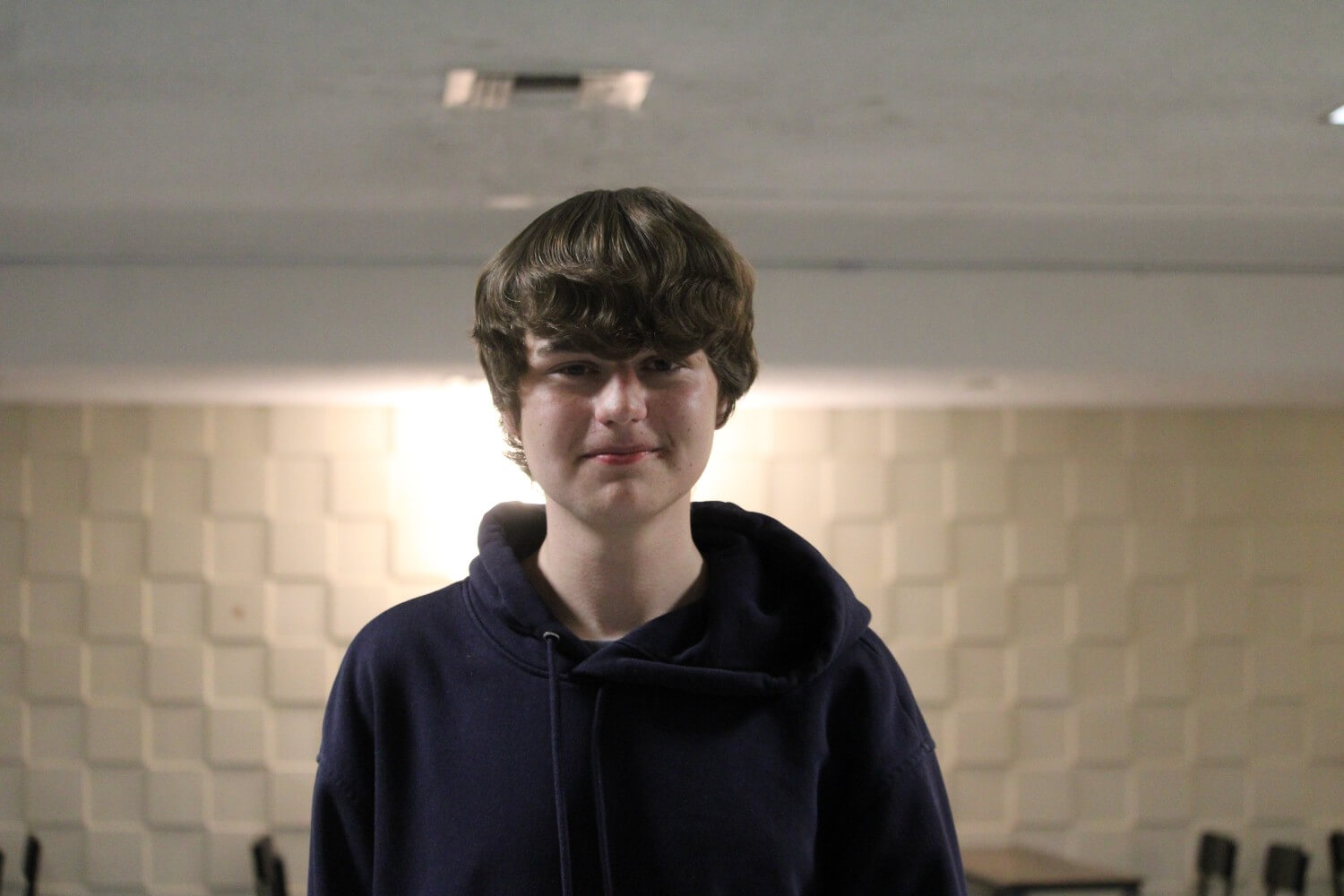
Sebastian Reents (first year), another student who attended the event, said “Open Throat” offers a rarely considered perspective on Los Angeles.
“We often neglect the wildlife within urban areas, so I think [Hoke’s] book is important for framing LA as a city that’s in nature,” Reents said. “His book is helping the narrative of what cities are and who the residents are.”
Hoke said he values autonomy in his writing and enjoys experimenting with approaches which have not yet been explored.
“I dare myself to create things that don’t seem necessarily easy or possible,” Hoke said. “[My writing] combines memoir, poetry and experimental styles into something that might be more traditional storytelling, but with a fun and unique form.”
According to Hoke, becoming an author was not a lifelong dream, but rather a natural development as he went through trial and error in other career paths.
“I wrote for film, but I also thought I would be a producer and director,” Hoke said. “It got so out of control being involved with so much money and politics […] I was like, ‘This art isn’t going to be as pure as I want art to be.’”
Hoke said although he is a lifelong writer, being a published author is something entirely different to him, which he is still learning to navigate.
“Not until I went to grad school was I like ‘OK, I could be an author,’” Hoke said. “not until I published a few books did I feel like an author, it’s ongoing, It’s part of me now […] but it wasn’t always a sure thing.”
Hoke said he hopes “Open Throat” inspires readers to reconsider their perspectives on current issues.
“Very little of what we’re forced to live in makes sense,” Hoke said. “To channel it through this animal who is making meaning and coming up short — that was human. A very human thing right now is to reconnect with our animal selves and see how bizarre it is that we are living in a time of such great poverty, disconnect, wealth inequality and oppression of gender expression.”
Contact Ashley Koontz at akoontz@oxy.edu