

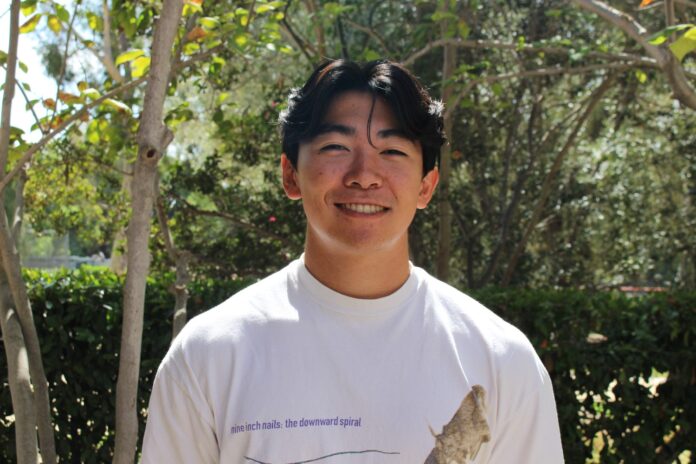
Occidental baseball and volleyball earned the 2025-26 American Baseball Coaches Associations’ (ABCA) Team Academic Excellence Award and American Volleyball Coaches Associations’ (AVCA) Team Academic Award for the fifth and third consecutive year, respectively.
The ABCA Team Academic Award is given to collegiate baseball teams that uphold a combined average GPA of 3.0 throughout the academic year, and the AVCA award is presented to collegiate volleyball teams that uphold a combined GPA of 3.3.
Luke Wetmore, head coach of the baseball team, said at the beginning of each year new players meet with him and go through their schedule to create a detailed daily plan.
“We go through a time management worksheet, 5 a.m. to midnight, Monday through Sunday, and we put in all of the different obligations and responsibilities and expectations that being a student athlete is going to demand of their time,” Wetmore said.
According to Wetmore, players struggling with academics are typically dealing with something bigger. Wetmore said it’s important to offer support during such times.
“Most of the time I’ve found that [for] my players that have struggled academically […] nine out of ten times there is something going on off the field, outside the classroom that is impacting […] their headspace,” Wetmore said. “It’s usually mental health related, or there’s something going on in the family, so when some of these academic issues pop up, my natural reaction is to check in and make sure everything in their life is going okay.”
Catcher Andy Franck (senior) said players on the baseball team feel safe being themselves around their coaching staff.
“Wetmore has a very open-door policy, so if you’re struggling with anything, he encourages you to come in and talk to him as a mentor, not just a coach,” Franck said.

Volleyball head coach Emily Foster said a casual and consistent positive dialogue surrounding academics is important for her team.
“[We] talk about [academics] in informal ways and make sure it’s normalized, and not just [mentioned] in the meeting on the first day,” Foster said.
Foster said she creates improvement regimens with her players whose GPAs fall below 3.0.
“They meet with me and we come up with a plan,” Foster said. “Are you going to see tutors? What are your goals? They’ll basically have to put together a calendar and show me, ‘These are the hours in the week that I will study, these are the tutors I will see.’ […] Then [we have] twice a week check-ins.”
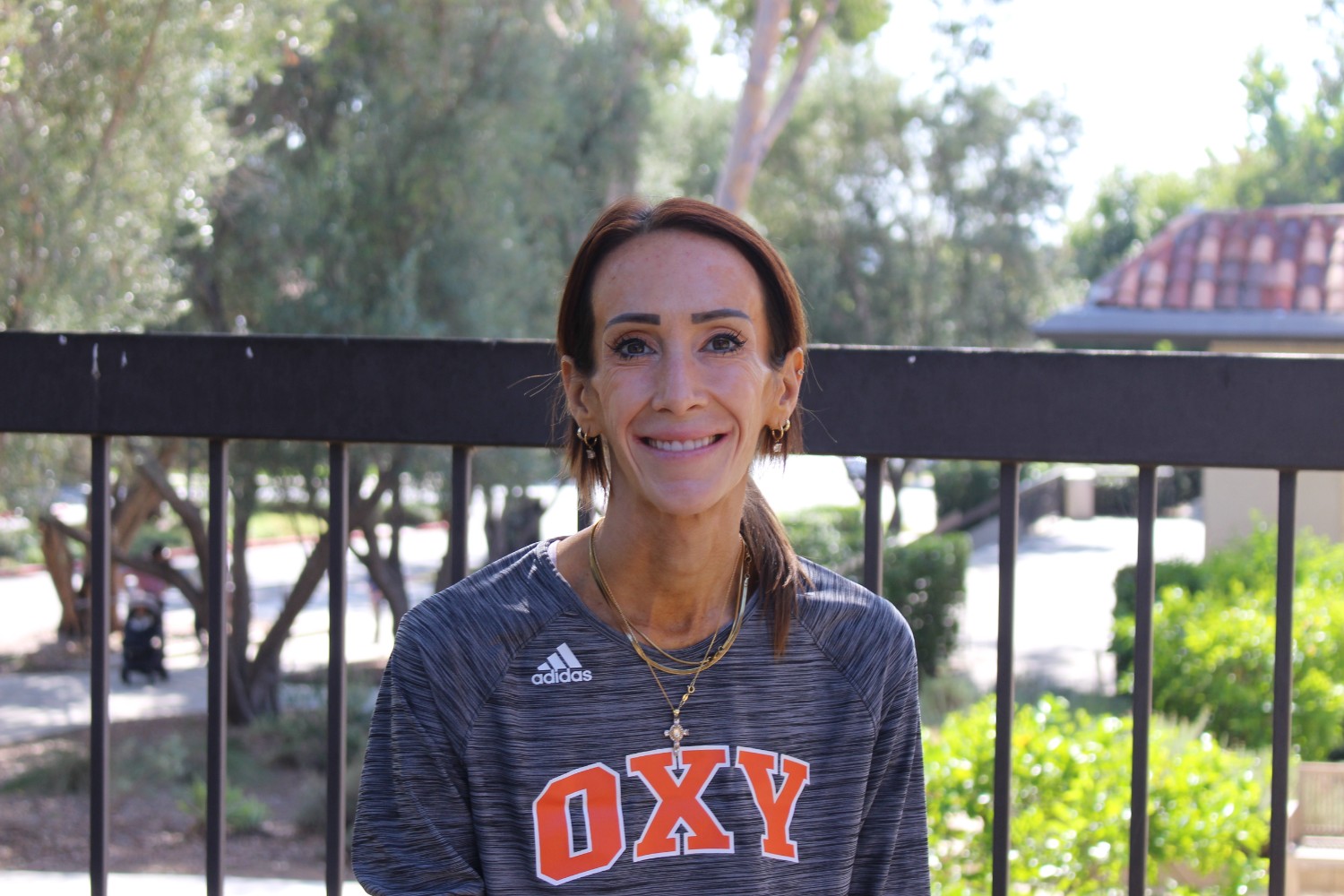
Middle blocker and opposite hitter Anna Curtis-Revelle (senior) said that in addition to guidance provided by coaches and faculty mentors, the students themselves work to set a high academic standard.
“We all really like to support each other […] so mentorship from upperclassmen is important to us,” Curtis-Revelle said. “It’s good to have somebody, even if it’s someone in your same year, that’s taking the same class as you to work together or collaborate.”
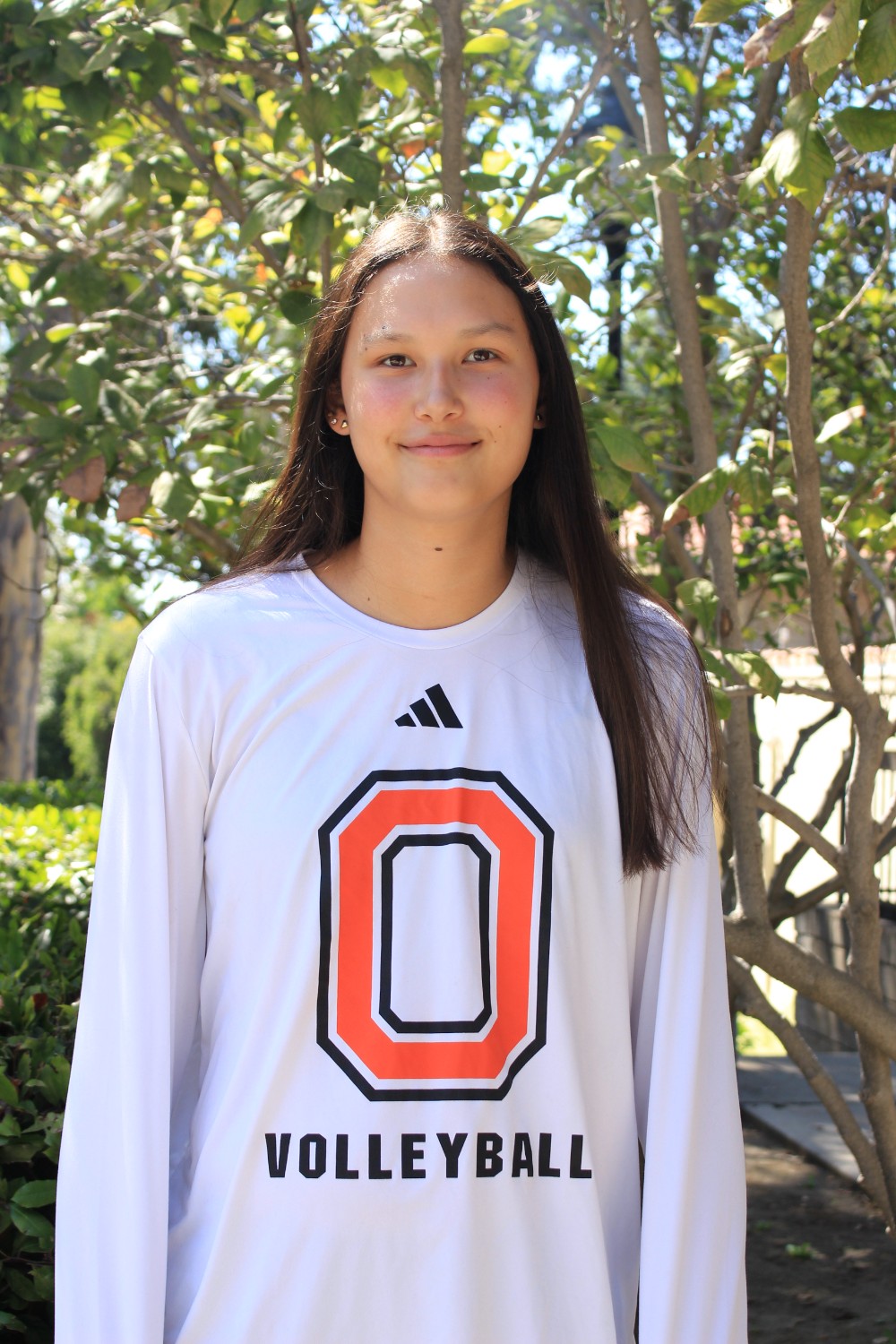
Outside hitter Jasmine Shum (sophomore) said Isaac Hale, the volleyball team’s faculty mentor, also serves as a major support for players.
“If we need any help academically with classes or speaking to teachers, we have [Hale], and I know he’s a great resource,” Shum said.
According to Foster, volleyball players often go to Hale for assistance.
“[Hale has been] an open door for scheduling help, tutor help, and he’s been such a wonderful resource for athletes that I know a lot of them rely on,” Foster said.
Wetmore said his returning players are solid role models for incoming members of the team.
“Our returners do a really good job of communicating and talking about their systems, plans and processes that have let them navigate [being a student-athlete] from a time management standpoint,” Wetmore said.
According to outfielder Tyler Kubo (senior), most student-athletes at Occidental do not continue playing their sport after college, but they do often go into a career related to the academic field they study.
“The reality is that pretty much nobody is going to go professional in the sport that they’re playing,” Kubo said. “So being able […] to focus on academics, which is probably going to be the career path that you decide in the future, is a big thing.”
Wetmore said the experience of being a student-athlete has positive effects on students even after they graduate.
“We’ve had multiple alumni who have gone on to very prestigious postgraduate programs,” Wetmore said. “[They] have mentioned how well they’re able to navigate what typically is considered a very rigorous education postgraduate.”
Curtis-Revelle said it’s important for student-athletes to cherish their sport, but also to recognize that more opportunity awaits after college.
“It’s important to have fun and enjoy [your sport] while you can, but also know that there’s something after,” Curtis-Revelle said. “There’s something beautiful about that. I get to do this now and I get to enjoy this as much as I can, and then there will be a time when I get to move on and do something else.”
Franck said while the teams are always proud to receive academic awards, it is considered a standard that they plan to keep up rather than something they are intentionally striving to achieve each year.
“As a student athlete at Occidental, it’s the expectation that you’re going to maintain strong grades, participate in other classes, and do extracurriculars or research,” Franck said. “We wouldn’t [have] come to Oxy if we weren’t students first.”
Contact Sadie Maguire at smaguire@oxy.edu



Great job highlighting the students