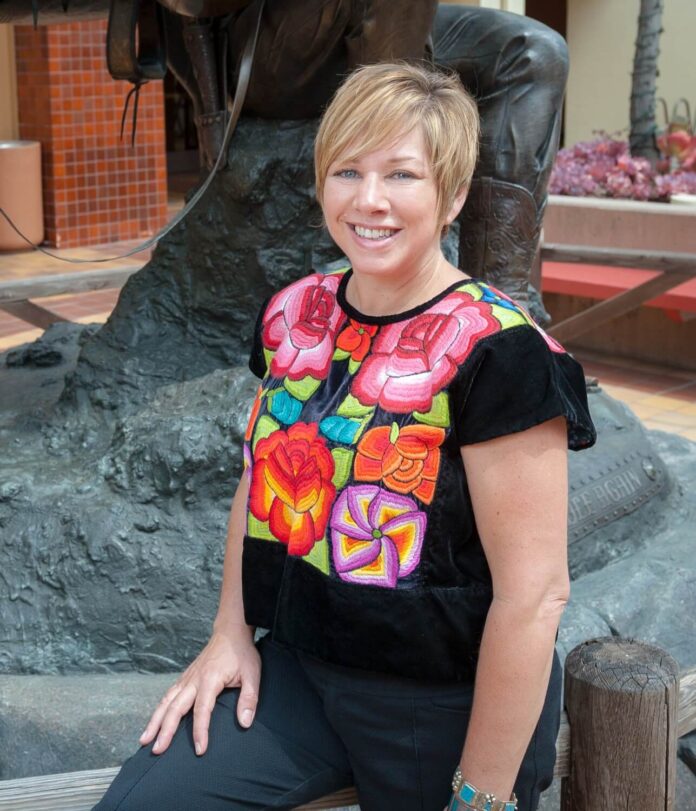
Department chair & professor of Latino/a & Latin American Studies Lisa Sousa teaches a course called “Nahuatl Language, Writing, and Culture.” The course is cross listed in history and Comparative Studies in Literature & Culture (CSLC). According to the Occidental College course catalog, students interact with the history and culture of the Nahuas (nahuatl speakers) by studying ancient and colonial Mexico.
Sousa said she first began studying the Nahuatl language as an undergraduate at UCLA.
“I had the opportunity to study Nahuatl with James Lockhart, who was a historian who pioneered the study of Nahuatl language archival records,” Sousa said. “[It] would include […] [historical] records to get more of an internal perspective on life in Indigenous communities of central Mexico during the colonial period.”
According to Sousa, she uses her research experience with Nahuatl documents to structure the class.
“As an ethnohistorian, I use Nahuatl language records from my own studies which have focused on Indigenous women, gender and sexuality [and] the conquest of Mexico,” Sousa said. “I had students who were interested in the language and in these types of sources […] and I decided I had the option of developing a course that is cross listed in history and CSLC.”
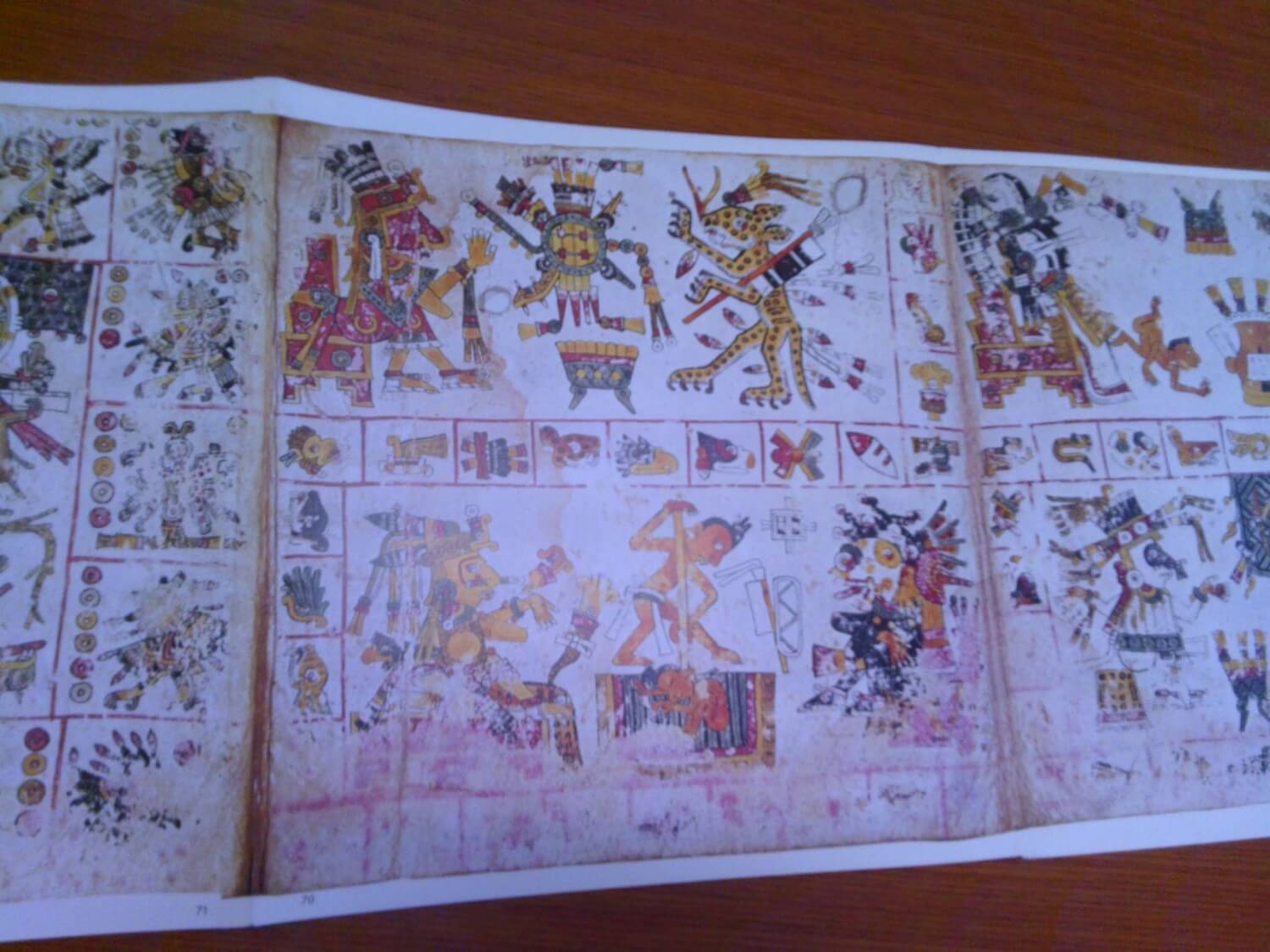
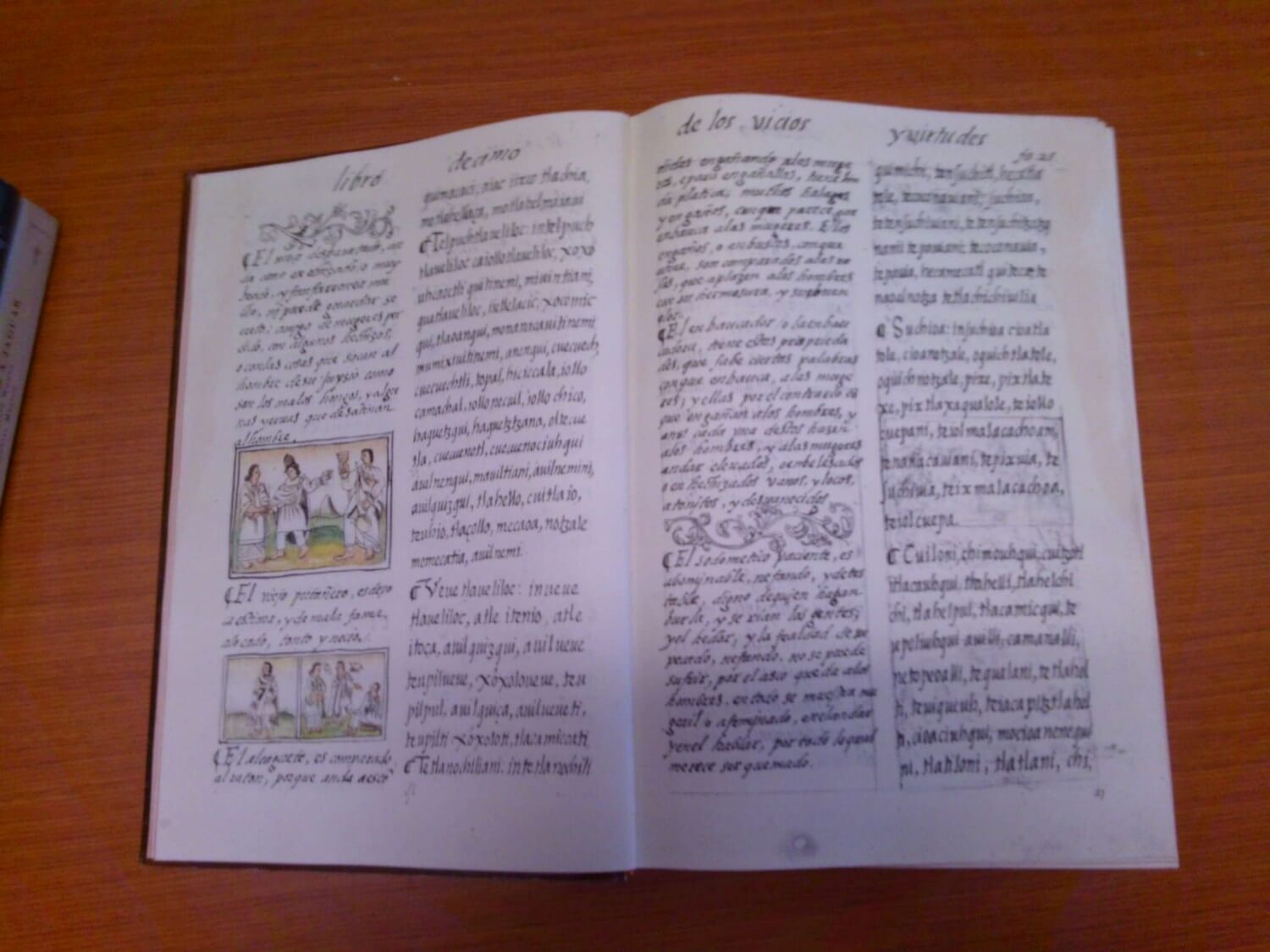
Sousa said she incorporates historical documents to push the class beyond the limits of language.
“I decided to expand beyond just studying the classical Nahuatl language and include their pictorial writing systems and their calendars, so the class is actually focused on Nahuatl language writing and culture,” Sousa said. “By the end of the semester it is really fun, because students translate excerpts of documents that I have collected in archives in Mexico.”
Sousa said she wants to impart the cultural importance and value of the Nahuatl language and culture.
“I want to emphasize that Nahuatl is not a dead language, that there are over a million Nahuatl language speakers in Mexico today and a significant Nahuatl speaking community in Los Angeles,” Sousa said. “We have much to learn from studying Indigenous languages and cultures, [including] Nahuatl values such as the interconnectedness of all things, importance of respect for the land and the earth [and] the importance of respect for other people.”
According to Nathan De Silva (junior), his desire to learn more about the Nahua people led him to take the class.
“I signed up for Intro to Nahuatl because I knew nothing about Aztec history aside from that they were cool and dominant [in Central America],” De Silva said. “I thought it was a unique opportunity to learn an Indigenous language.”
Anya Agha (sophomore) said she gets to learn interesting material in the class that is uncommon in many western frameworks.
“Last year I took a CSLC class that was very centered around western literary theory [and] ways of thinking,” Agha said. “In this class, learning about the philosophy of an ancient Indigenous civilization is so different and refreshing.”
According to De Silva, the coursework includes translation exercises and lecture based learning.
“Homework is usually translating words from Nahuatl to English, a lecture on a new conjugation and once a week a reading and seminar,” De Silva said. “The goal is not to come out with a grade, it is to come out learning an Indigenous language.”
According to Agha, students in the course do an in-class activity where groups of students get to research aspects of Nahuatl culture. Agha said her group researched Teōtl, a central concept of Nahuatl philosophy.
“Teōtl is the idea that everything in the world and the cosmos is sharing the same life force,” Agha said. “That [life force] is constantly recycling and changing, so when things die their energy is repurposed to create something different.”
De Silva said the concept of Teōtl stood out to him because of the connections between Nahuatl and eastern philosophy.
“[Teōtl is] essentially a divine energy, this idea of a continuously flowing dynamic force that everything is connected by, [including] suffering and flourishing, order and disorder. I thought it was similar to Buddhism, like the cycle and how everything is a river,” De Silva said.
According to Sousa, growing interest and investment in the study of Indigenous history and culture has garnered support for a possible Indigenous studies minor.
“I, along with several other faculty members, [am] very committed to encouraging the administration to build relationships with the local tribes,” Sousa said. “It is important that we recognize we are on Tongva and Tataviam land and that we build our relationships with those communities first […] and have a serious discussion about having professors who can teach Native American history,” Sousa said.
According to Agha, Nahuatl expands outside of class to daily life in small ways.
“Sometimes when we see people from class we will hit a ‘Piyali!’ which is how you say hi in Nahuatl, so it’s a cool way to [practice] our in-class language,” Agha said.
Contact Norah Bergen at nbergen@oxy.edu